
Mortar, putty, general filler
Coarser calcite builds body at lower grinding cost. Controlled top size supports mixing, surface finish and packing density without paying for unnecessary ultrafine area.
PROCESS NOTE 01 / UPDATED 21 AUG 2026
From carbonate rock to a controlled powder: an engineering guide to crushing, conveying, dry grinding, air classification and selecting the right equipment for the final application.
01 / THE MATERIAL BEFORE THE MACHINE
Calcite is the stable trigonal form of calcium carbonate. It is soft enough for dry comminution, but powder performance is governed by more than mesh: purity, brightness, oil absorption, moisture, particle-size distribution, top cut, surface treatment and contamination all influence the usable grade. A calcite grinding machine should therefore be selected around an acceptance test for the customer's coating, polymer, paper, mortar or other formulation.
02 / ORIGIN AND DISTRIBUTION
Calcite occurs in sedimentary limestone and chalk, metamorphic marble, hydrothermal veins, carbonatites and cave deposits. The mineral itself is widespread, but an economic powder source needs sufficient CaCO3 purity, whiteness, low iron and silica, consistent geology, workable benches and practical logistics.
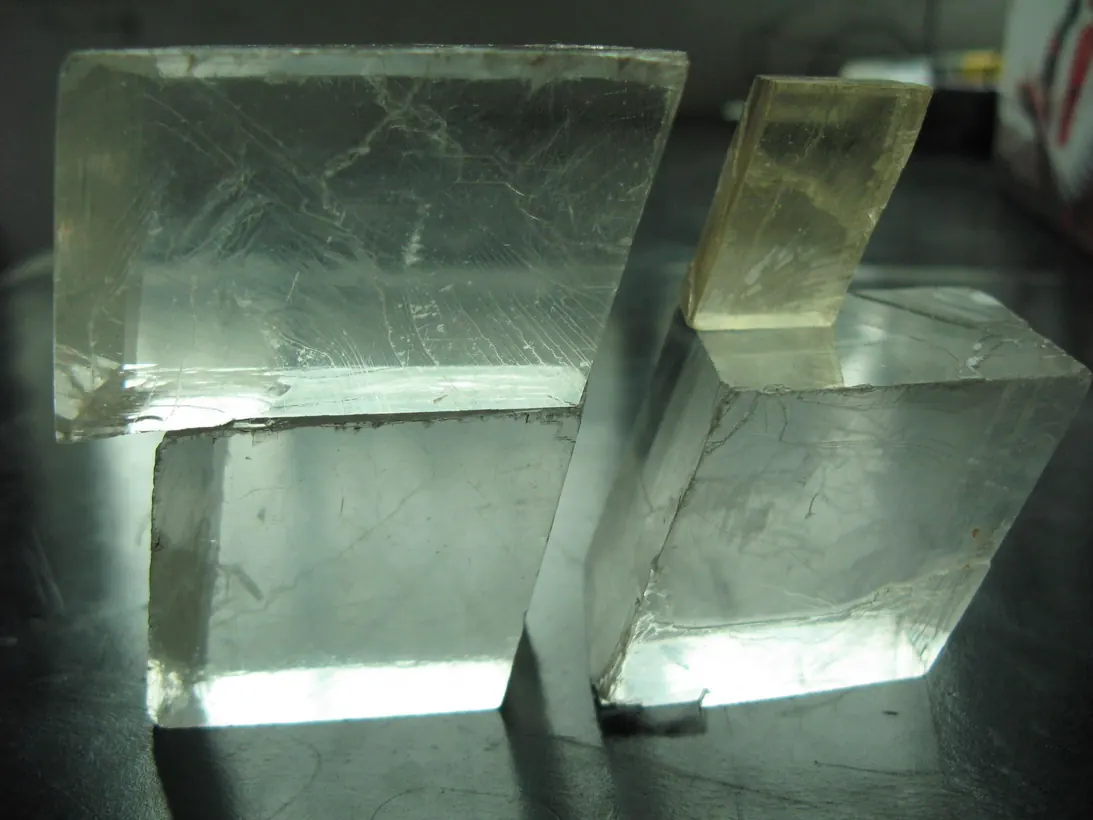
Lab work commonly checks XRF chemistry, XRD mineralogy, brightness, moisture and abrasion before grinding tests.
There is no harmonized worldwide production or reserve series for "calcite mines" alone. Public statistics usually aggregate calcite-bearing material under limestone, marble, crushed stone, dimension stone or calcium carbonate. This guide therefore presents geological and industry regions without inventing country tonnage. Project decisions should use a deposit-specific resource model and laboratory analysis.
03 / DRY POWDER FLOWSHEET
The line is a closed material and air system. Stable feed, controlled moisture and an efficient classifier matter as much as grinding pressure.
Separate weathered, stained or silica-rich bands. Blend benches where chemistry or brightness varies.
INPUT: run-of-mine carbonateJaw or hammer crushing reduces rock to a size that can be metered safely. Remove tramp metal before the mill.
TYPICAL MILL FEED: at or below 20 mmA silo decouples crushing from grinding. A variable feeder keeps the mill load and air-to-solids ratio stable.
CONTROL: mass flow and moistureRollers press and shear calcite across several grinding tracks. Centrifugal movement transfers material through the zones.
MECHANISM: compression + attritionRotor speed and air volume define the cut. Coarse particles return to the mill; qualified fines continue to collection.
CONTROL: PSD and top sizeCyclones recover product, while a pulse bag filter cleans the circulating air. Powder is stored, sampled and packed.
OUTPUT: tested dry GCC powderSurface moisture can reduce flow, coat grinding surfaces and disturb classification. High-moisture feed may need pre-drying or hot-air integration after a site heat balance.
Hydrophobic grades for plastics or masterbatch may be coated after grinding with stearic acid or another specified agent. Coating performance must be evaluated separately from fineness.
Use laser diffraction for PSD, sieve residue where specified, and application tests such as viscosity, dispersion, opacity, tensile behavior or paper brightness.
04 / FINENESS AND FUNCTION
Mesh is only an approximate sieve description and does not fully define an ultrafine product. For procurement, state D10, D50, D90 or D97, maximum residue, measurement method and application result.
Coarser calcite builds body at lower grinding cost. Controlled top size supports mixing, surface finish and packing density without paying for unnecessary ultrafine area.
Finer particles improve smoothness, dispersion and contact area. The useful grade depends on resin demand, viscosity and the balance between extension and mechanical properties.
A narrower fine distribution can improve surface quality, opacity control and filler loading. Brightness, low oversize and chemical cleanliness become increasingly important.
High specific surface area can aid reinforcement, rheology or premium surface performance, but also raises agglomeration and dispersant demand. Grinding finer is not automatically better.
| Application | Indicative powder range | Why this range is used | Acceptance checks beyond size |
|---|---|---|---|
| Dry mortar & wall putty | 45-15 um | Bulk, workability, sanding and surface leveling | Whiteness, moisture, residue, water demand |
| Architectural coatings | 20-5 um | Film smoothness, opacity balance and rheology | Brightness, oil absorption, viscosity, dispersion |
| PVC pipe & profile | 15-5 um | Stiffness, dimensional stability and cost control | Moisture, surface treatment, impact and tensile tests |
| Masterbatch | 10-3 um | High loading and uniform distribution in polymer | Dispersion, coating ratio, bulk density, filter pressure |
| Paper filling & coating | 5-2 um | Brightness, opacity, print surface and sheet economics | ISO brightness, rheology, abrasion, particle shape |
| Artificial marble & sealant | 45-5 um, blended | Packing density and controlled resin demand | Color, grading curve, oil absorption, contamination |
05 / EQUIPMENT SELECTION
All three can grind calcite. The correct choice depends on the required fineness, capacity, product distribution, contamination tolerance, plant footprint, operating skill and downstream market.
Usually coarse to fine mineral powder, commonly around 80-400 mesh.
Flexible from fine to ultrafine when paired with a suitable air classifier.
Purpose-built dry ultrafine duty, reference range 7-74 um depending on model.
Roller pressure against a stationary ring.
Impact and attrition in a rotating media charge.
Multi-layer roller compression and attrition with internal material transfer.
Good for conventional grades; classifier design limits ultrafine cuts.
Strong circuit flexibility; classifier and media management are critical.
Dynamic classifier, adjustable by rotor speed and system airflow.
Simple, robust, economical for moderate fineness.
Mature technology, but larger circuit, media wear and higher auxiliary load may apply.
Compact dry circuit with no grinding media and a small process inventory.
Choose when 200-400 mesh meets the product and low complexity is important.
Choose when large-scale flexibility and a well-engineered classification circuit justify it.
Choose when low oversize, ultrafine product, compact layout and rapid size adjustment are priorities.
Do not select by mesh alone. Ask for a representative feed test and compare net t/h at the required PSD, installed power, specific energy, wear rate, product contamination, filter load and guaranteed acceptance criteria.
Build a test brief06 / CRGM SYSTEM
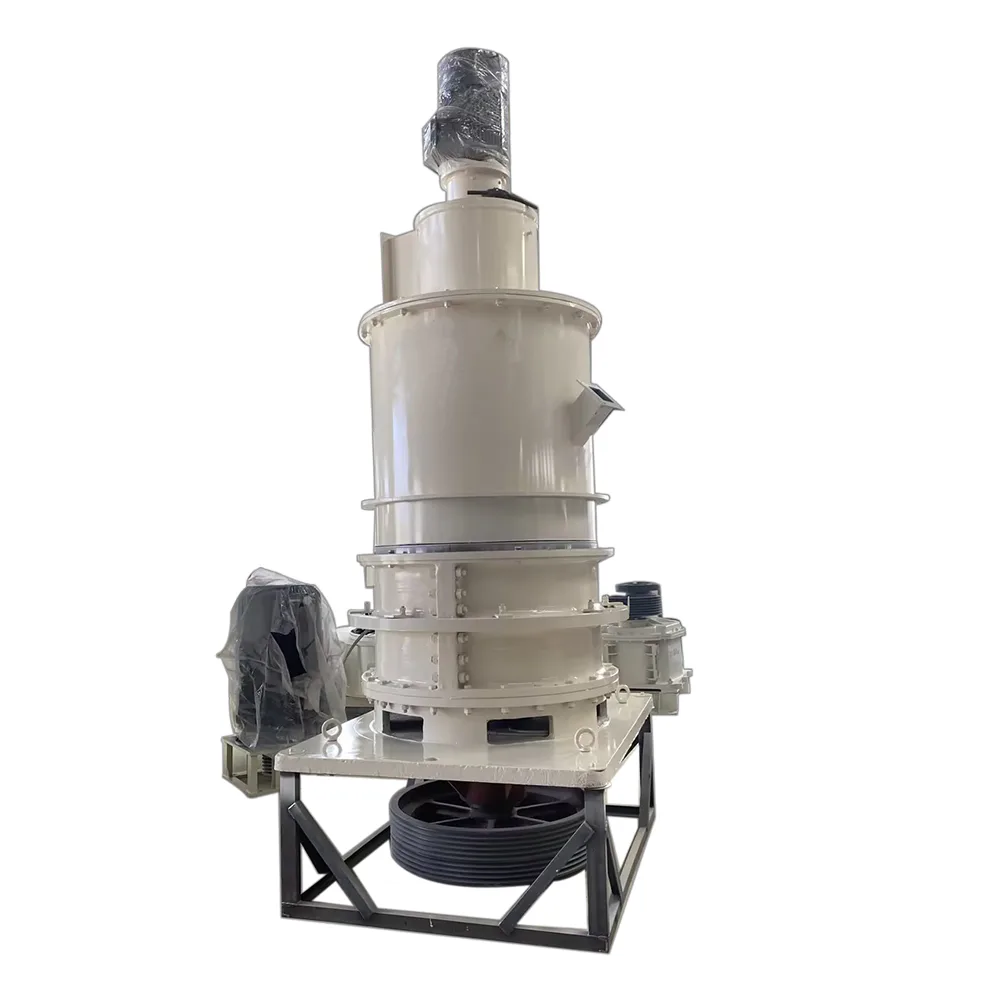
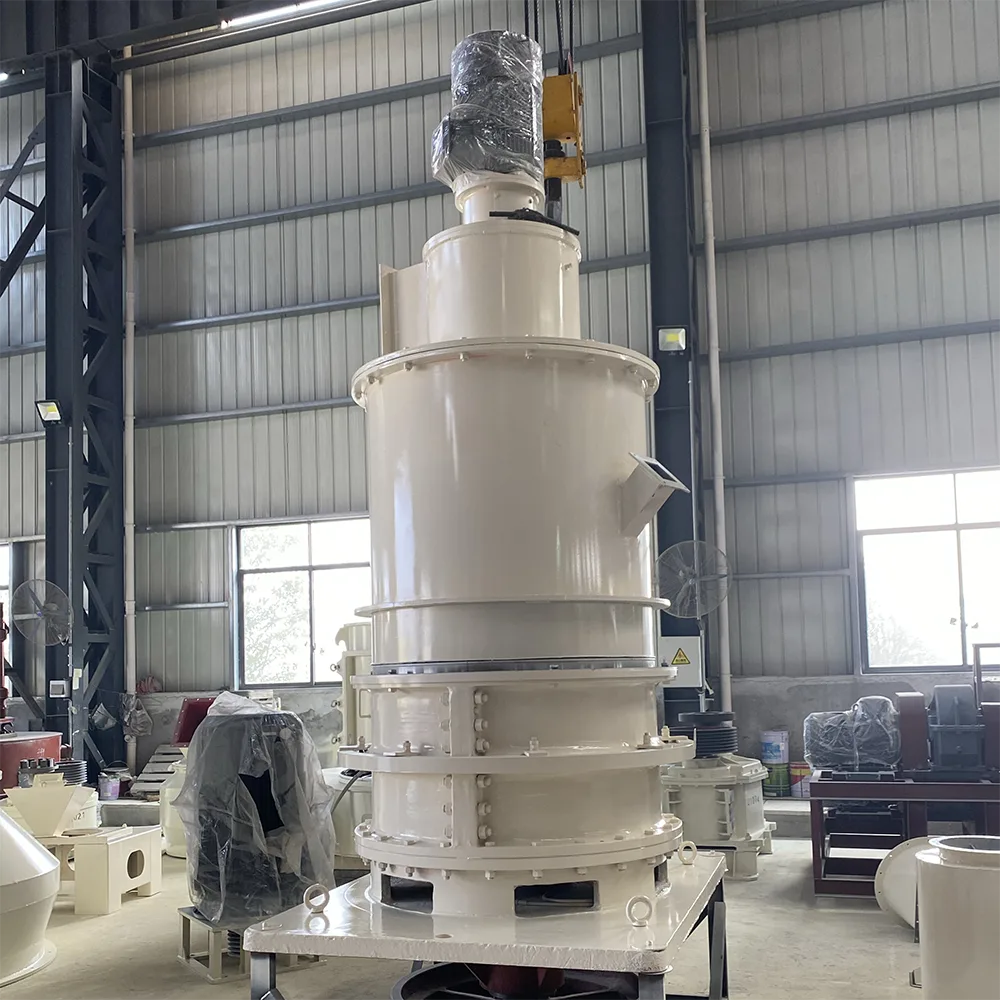
The CRGM standard system includes the main mill, classifier, double cyclone, pulse bag filter, blower, motors, pipework and muffler. A hammer crusher, elevator, feeder and electrical control cabinet can be configured around the feed and site conditions.
HOW IT WORKS
The main motor drives stacked turnplates. Rollers travel in the grinding tracks and generate repeated compression and shear. Calcite enters the first zone, is dispersed by centrifugal force and passes through successive stages. The high-pressure fan carries liberated powder upward to the classifier.
At the classifier, drag from the air competes with centrifugal force from the rotor. Fine particles pass with the air; coarse particles are rejected and return for another grinding cycle. Cyclones discharge most product, and the pulse bag filter captures residual dust before the air is released or recirculated.
Multiple grinding zones use repeated contact before material reaches classification. The catalogue reports energy use 30% below jet milling in its referenced comparison; actual savings depend on the complete duty and test basis.
The vertical turbine classifier is designed for a precise cut and reduced coarse-particle carryover. Rotor speed and airflow give operators two practical control variables.
Special-material grinding rollers and rings are selected for mineral duty. Matched original profiles support pressure distribution and predictable replacement.
The product catalogue states that D97 at or below 5 um can be reached in suitable conditions. Feed mineralogy and the agreed laboratory method must confirm this target.
No loose grinding media is required. The dry closed circuit reduces intermediate handling and can simplify the plant compared with a large ball-mill circuit.
A muffler, optional acoustic enclosure and pulse filtration are integrated into the system concept. Final occupational and emission compliance still requires site-specific design.
07 / MODEL DATA
Values below are transcribed from the supplied Cronus grinding mill catalogue. Capacity is not a guarantee: it changes with feed PSD, CaCO3 grade, moisture, target distribution, classifier setting and system resistance.
| Parameter | CRGM80 | CRGM100 | CRGM125 |
|---|---|---|---|
| Grinding ring diameter | 800 mm | 1000 mm | 1250 mm |
| Grinding ring layers | 3 | 4 | 4 |
| Grinding rollers | 21 | 28 | 32 |
| Main shaft speed | 230-240 rpm | 180-200 rpm | 135-155 rpm |
| Maximum input size | 20 mm or less | ||
| Finished size reference | 7-74 um / 200-2000 mesh | 7-74 um / 200-2000 mesh | 7-74 um / 200-2000 mesh |
| Capacity reference | 0.5-4.5 t/h | 1.8-5 t/h | 1.5-12 t/h |
| Overall dimensions L x W x H | 15.9 x 4.2 x 6.1 m | 19.7 x 4.7 x 7.7 m | 23.2 x 4.7 x 7.7 m |
| Total motor power | 143 kW | 244 kW | 401 kW |
| Main unit / classifier / blower | 75 / 18.5 / 45 kW | 132 / 30 / 75 kW | 185 / 75 / 132 kW |
Engineering note: mesh-to-micron values are approximate. Contract specifications should use an agreed particle-size distribution method and sampling protocol.
08 / MATERIAL ENVELOPE
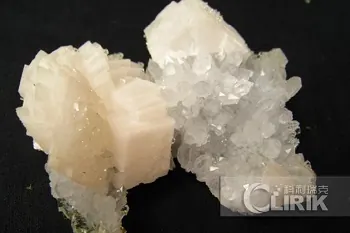
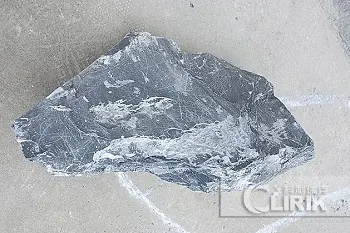
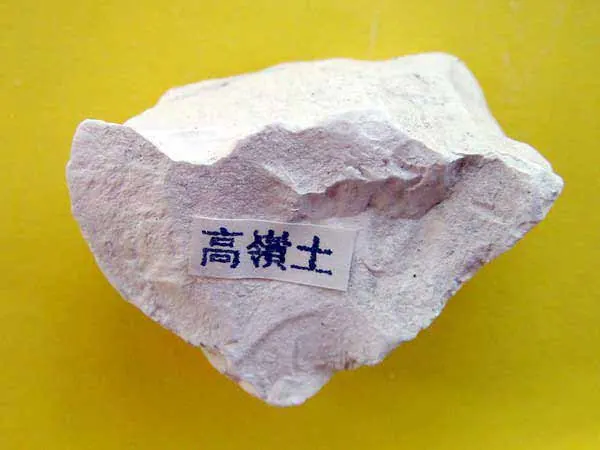
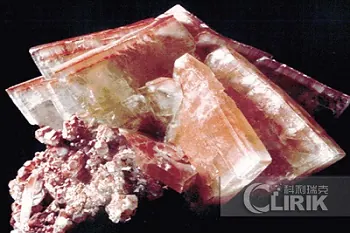
Changing mineral means changing the operating result. Abrasiveness, hardness, moisture, cleavage, density and chemistry must be tested before transferring calcite performance to another feed.
09 / ENGINEERING EVIDENCE
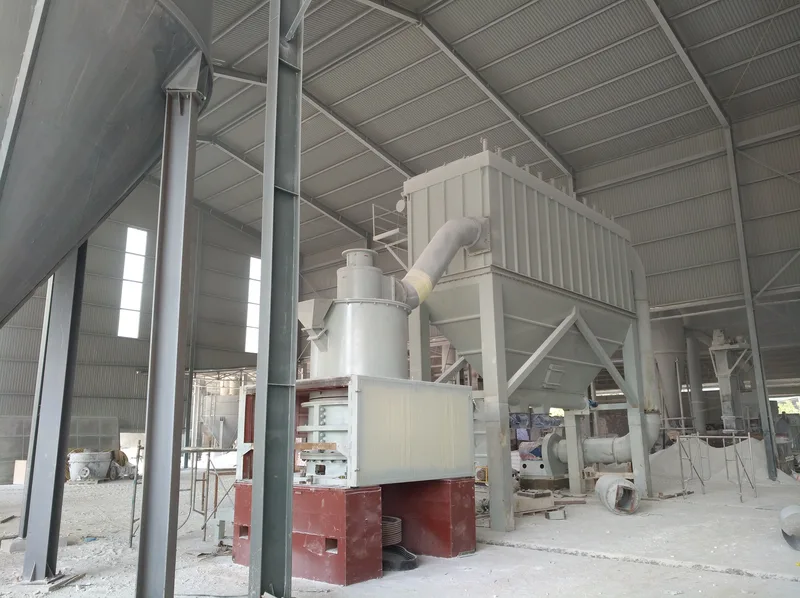
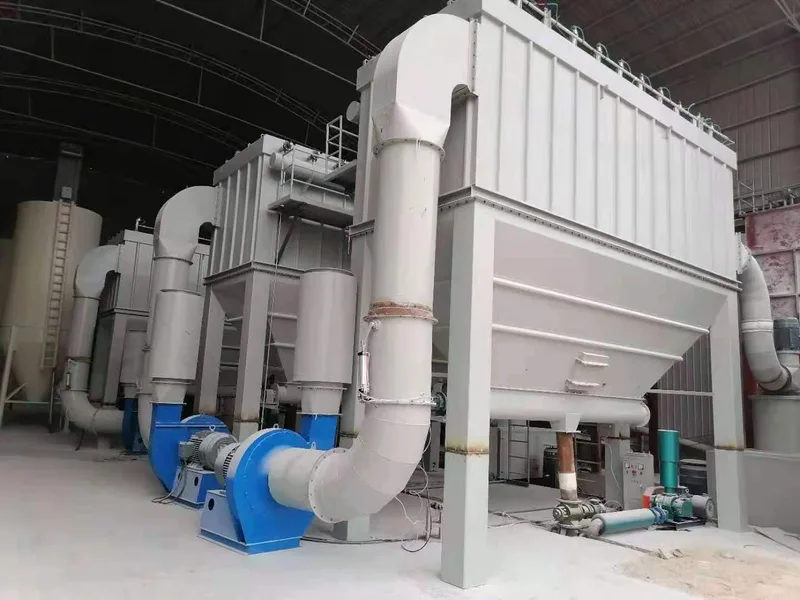
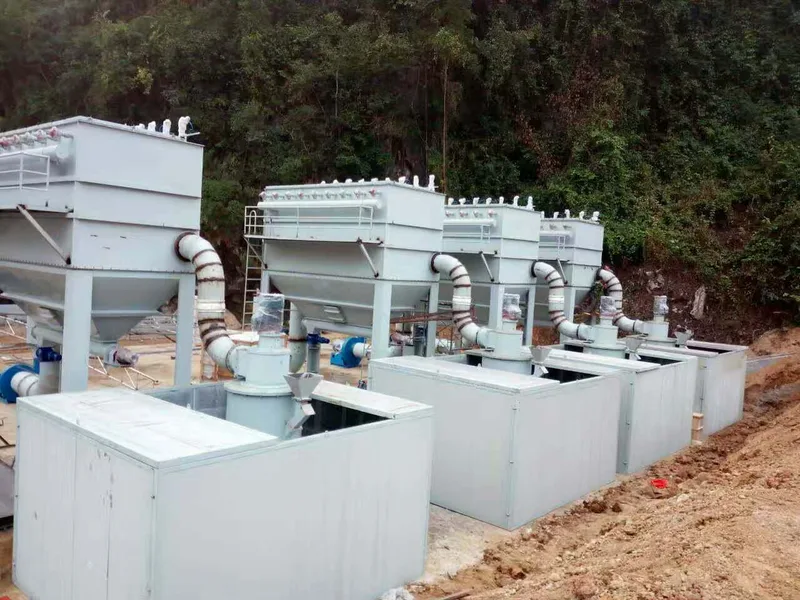
Project photographs confirm manufacturing and installed-equipment experience, but a useful case comparison also needs material identity, feed analysis, target PSD, dry throughput, energy boundary and sampling method. Cronus reviews these variables before recommending a calcite powder grinding mill.
10 / WEAR PARTS
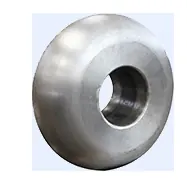
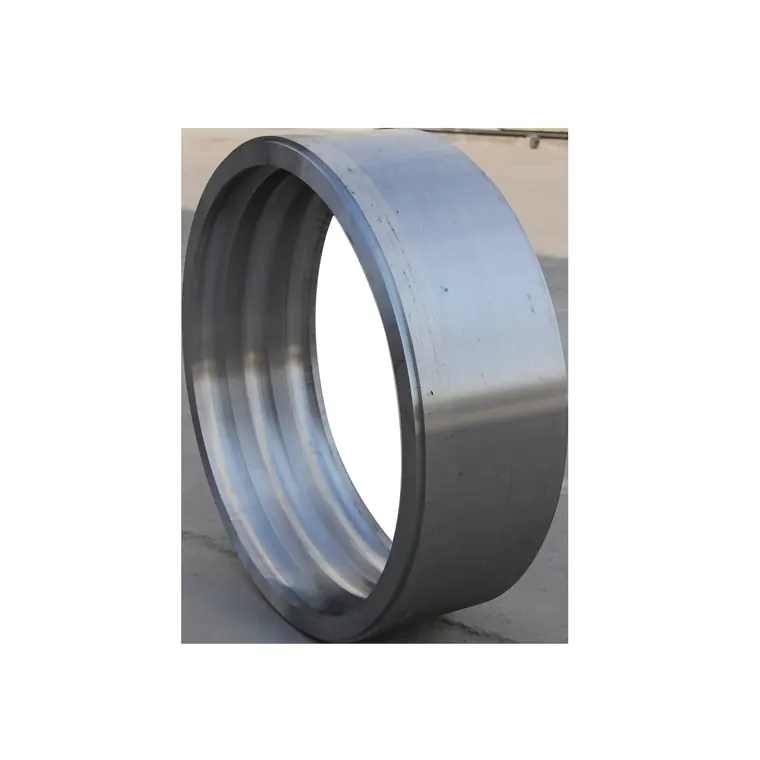
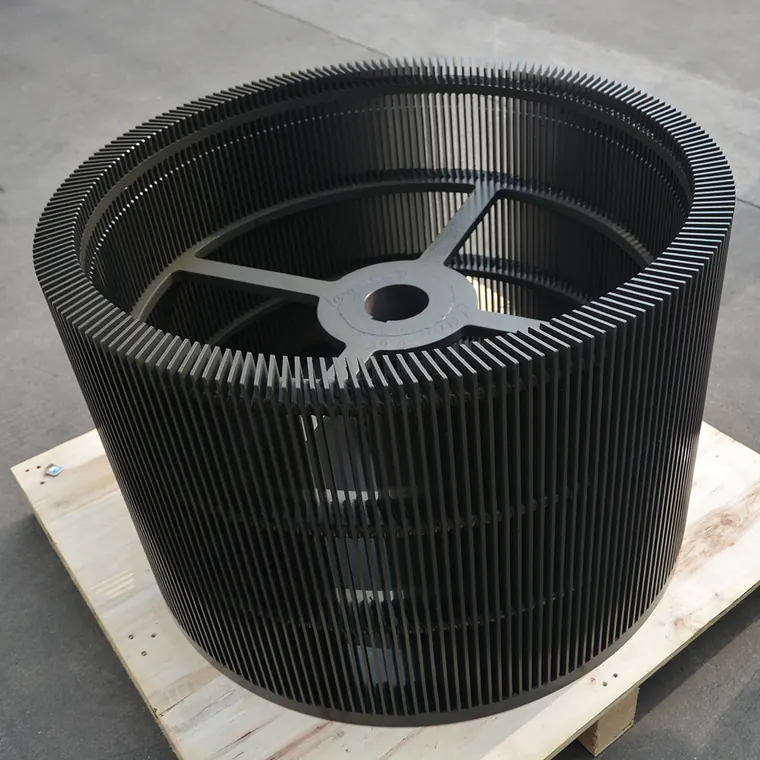
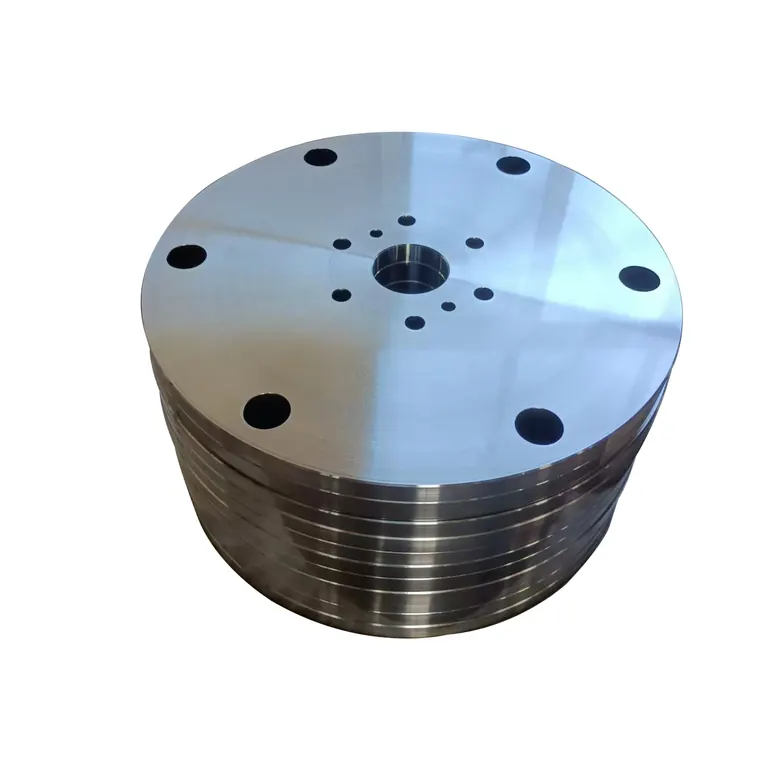
Worn or mismatched internals change pressure distribution, vibration, airflow and classifier accuracy. Original dimensions and known metallurgy reduce field fitting and help recover the intended operating condition.
Matched contact profiles, selected wear material and model-specific dimensions.
Load-bearing rotating parts supplied against original equipment records.
Balanced components protect the cut point and reduce coarse powder carryover.
Consumables selected for mineral dust load, temperature and required filtration duty.
Cronus parts support
Original-equipment fit, an affiliated casting capability, quality inspection, practical pricing and lifecycle replacement planning.
11 / THE COMPANY BEHIND THE LINE
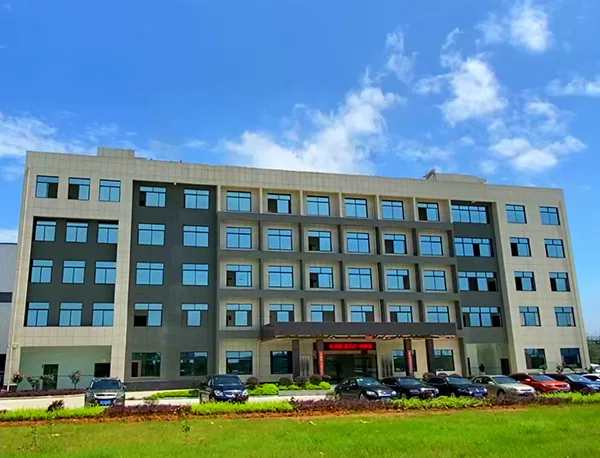
Shanghai Cronus Machinery Co., Ltd. is a wholly owned subsidiary of Guilin Mining Machinery Co., Ltd. Guilin Mining Machinery was established in 1973 and has more than 50 years of powder-equipment manufacturing experience. The group develops, manufactures and supports mineral grinding, classification and associated process equipment.
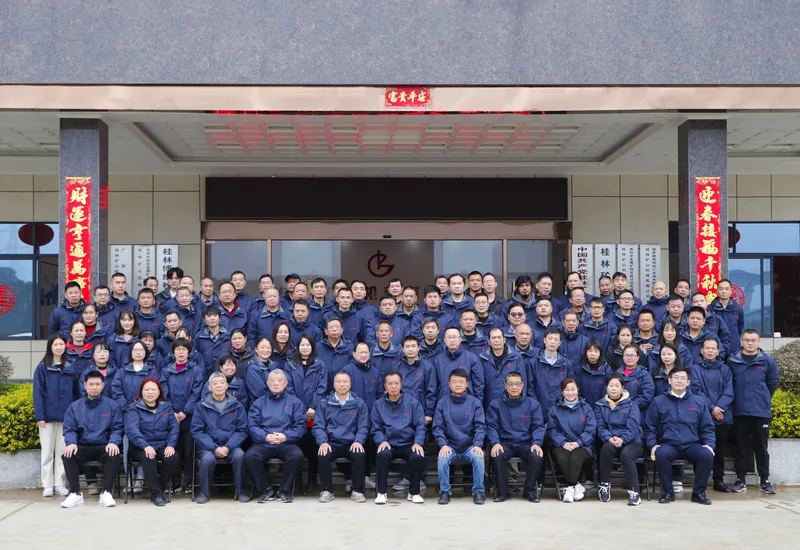
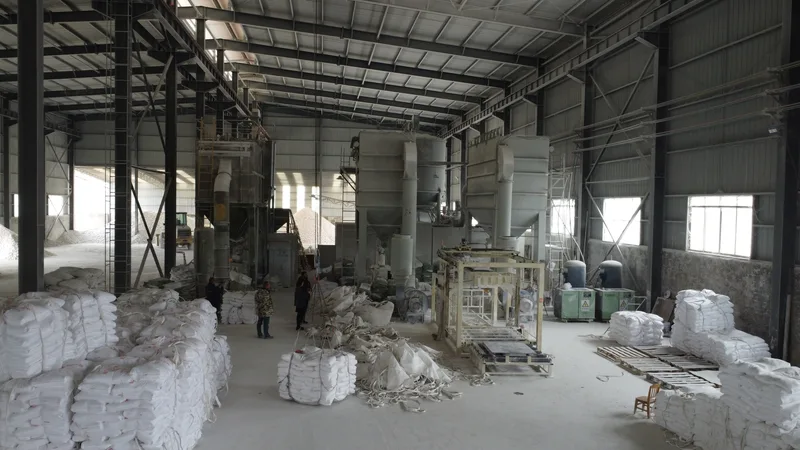
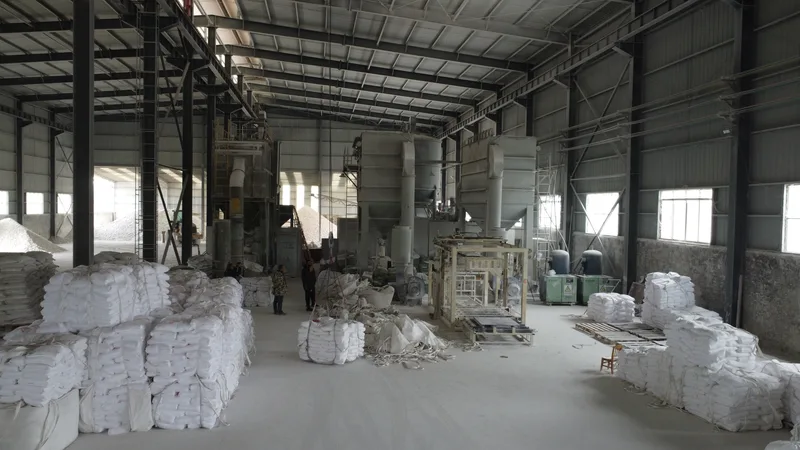
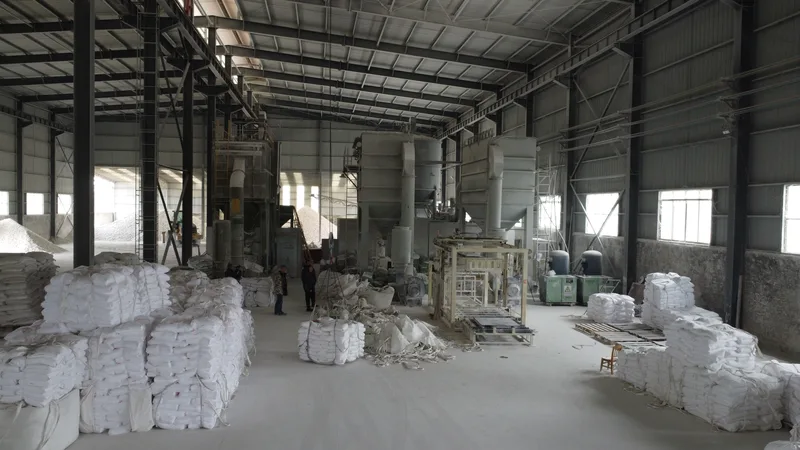
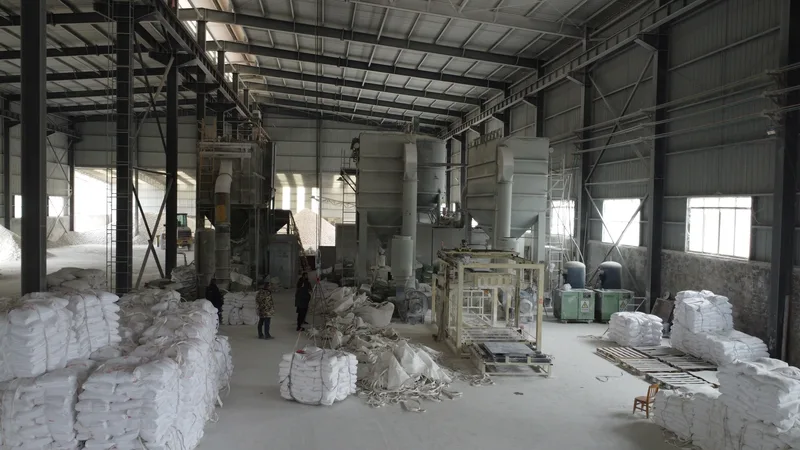
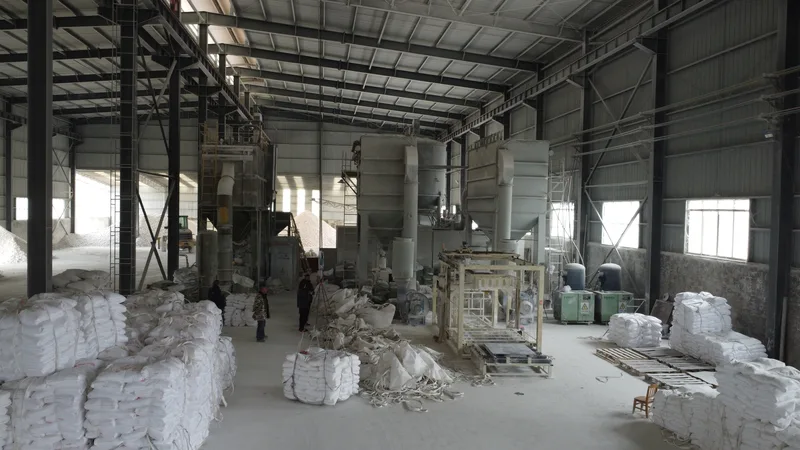
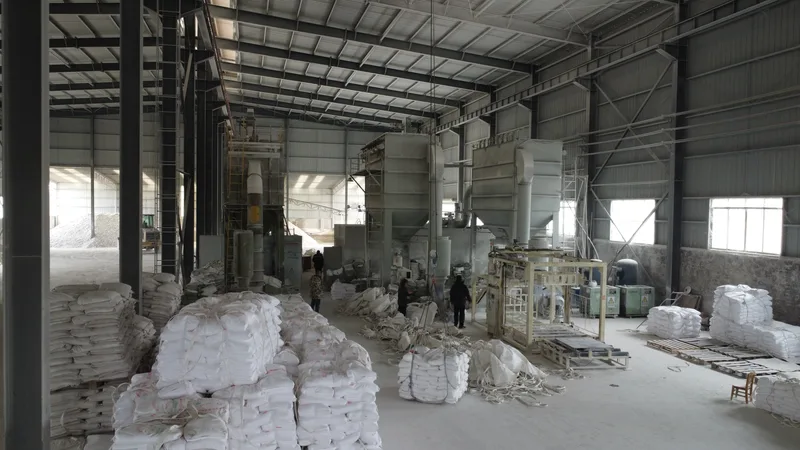
VERIFIED CAPABILITY
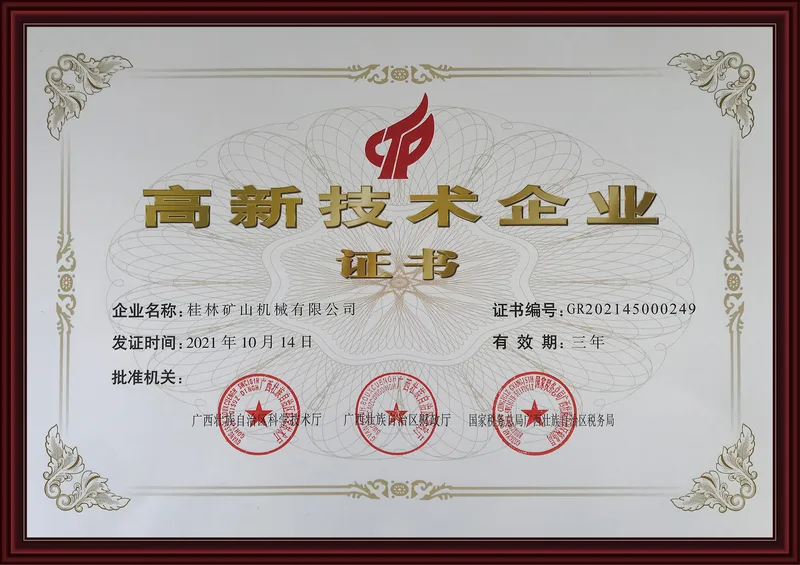
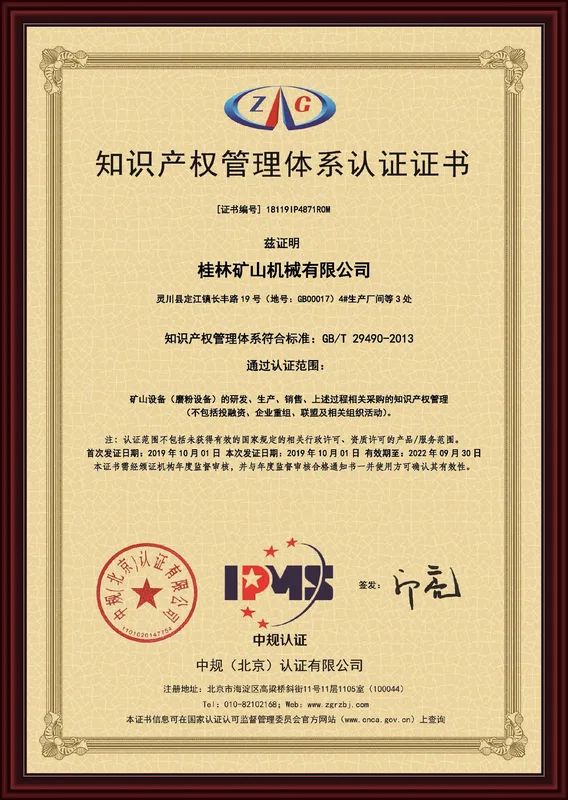
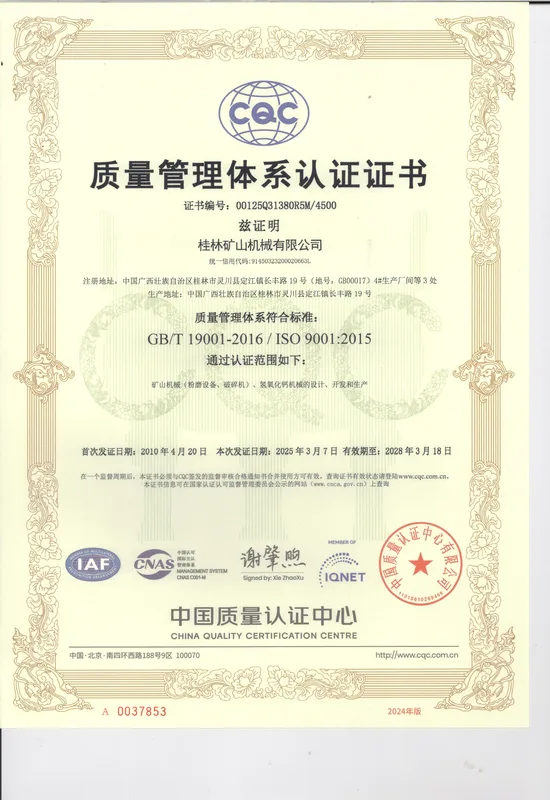
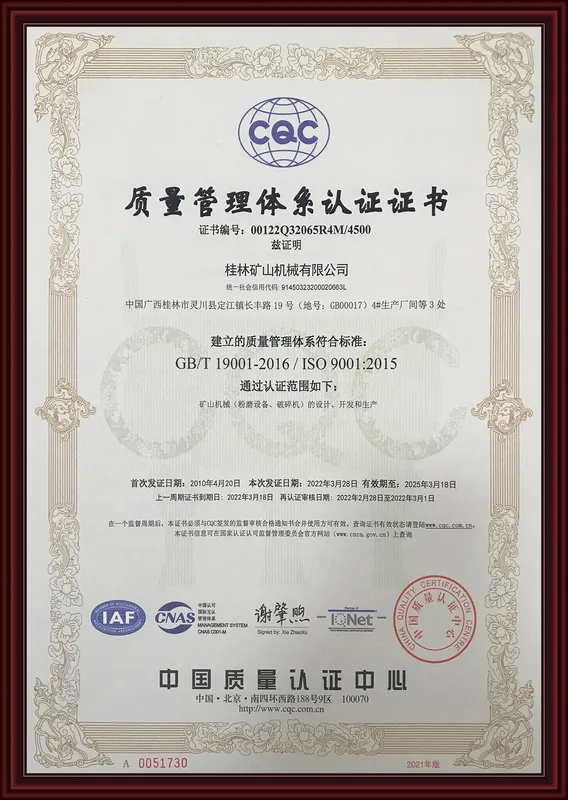
Available company materials include high-tech enterprise recognition, invention and utility patent records, CE documentation and ISO management-system certificates. Certification scope and validity should be checked against the specific contract and destination market.
12 / SERVICE PATH
A mineral powder line is accepted on operating results, not shipment completion. The service path keeps process assumptions visible through testing, design, installation and operator training.
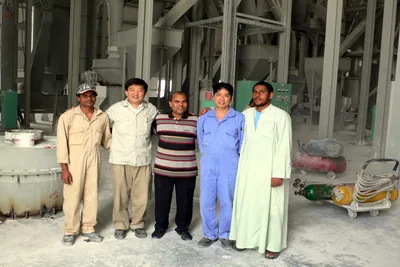
CUSTOMER VISITS

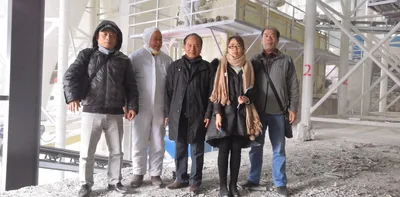
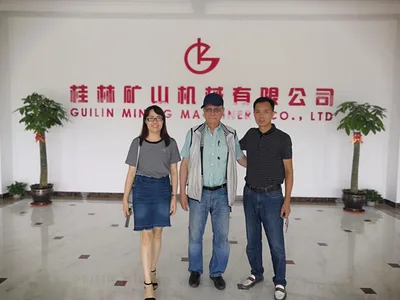
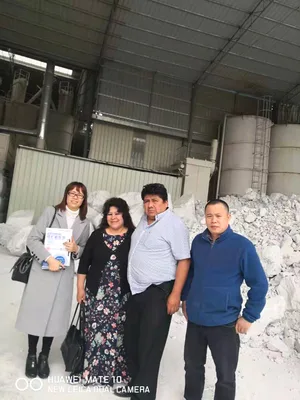
13 / ENGINEERING FAQ
Open each note for the practical boundary behind the short answer.
Calcite is a mineral form of CaCO3. Mechanically ground calcite-rich rock becomes ground calcium carbonate, or GCC. Calcium carbonate can also be produced chemically as PCC, which has a different manufacturing route and particle morphology.
Provide XRF chemistry, mineralogy where available, moisture, maximum and typical feed size, bulk density, brightness, abrasiveness, target PSD, required dry t/h, operating hours and the final application test.
The supplied catalogue gives a reference range of 7-74 um, approximately 200-2000 mesh. The achievable throughput at a given fineness must be established using the actual feed and an agreed particle-size method.
The catalogue identifies one-pass D97 at or below 5 um as a technical capability in suitable conditions. This is not universal for every feed or capacity; it requires a representative test and clear definition of the measurement instrument and dispersion procedure.
Fine product needs more breakage events and a tighter classifier cut. More material circulates internally, increasing specific energy and reducing the amount that can leave as qualified product per hour.
Yes, when a conventional 80-400 mesh product satisfies the application and a simple robust circuit is preferred. For a tighter ultrafine distribution, a dedicated ring roller mill or a ball mill with an advanced classifier may be more suitable.
Compare both complete circuits at the same feed and product PSD. Include net dry capacity, total installed and absorbed power, media or wear cost, footprint, product contamination, classifier performance, maintenance labor and collection-system load.
Dry, free-flowing feed is preferred. The acceptable moisture depends on particle size, clay content, climate and line temperature. Sticky feed can coat the mill and upset classification, so drying should be considered after sample handling and a heat balance.
The primary controls are classifier rotor speed, system airflow, feed rate and mill operating condition. A higher classifier speed generally produces a finer cut, but also changes circulating load and throughput.
Mesh describes a sieve opening. D97 means 97% of the measured particles are smaller than the stated size under a defined instrument and test method. Ultrafine powder should be specified by a full or partial PSD rather than mesh alone.
Yes. Operators can change classifier and airflow settings, but transition material must be managed and each grade needs a repeatable operating recipe. Widely separated grades may justify separate storage, packing or even dedicated lines.
Grinding rollers, grinding rings, turnplates, pins, shafts and classifier components are the principal mechanical wear items. Filter bags, pulse valves, feeder and discharge components are common service consumables.
The line uses negative-pressure transport, cyclones and a pulse bag filter. Proper sealing, duct velocity, filter sizing and housekeeping are essential. Local emission and occupational-exposure requirements must be included in the final design.
Define the feed lot, steady-state duration, dry throughput boundary, sampling locations, PSD method, moisture correction, power measurement and product quality criteria. Application performance should be included when particle size alone does not predict customer value.
14 / BUILD A TEST BRIEF
Send enough information for an engineer to frame the first test. A useful reply needs more than desired mesh and tons per hour.
TECHNICAL SOURCES